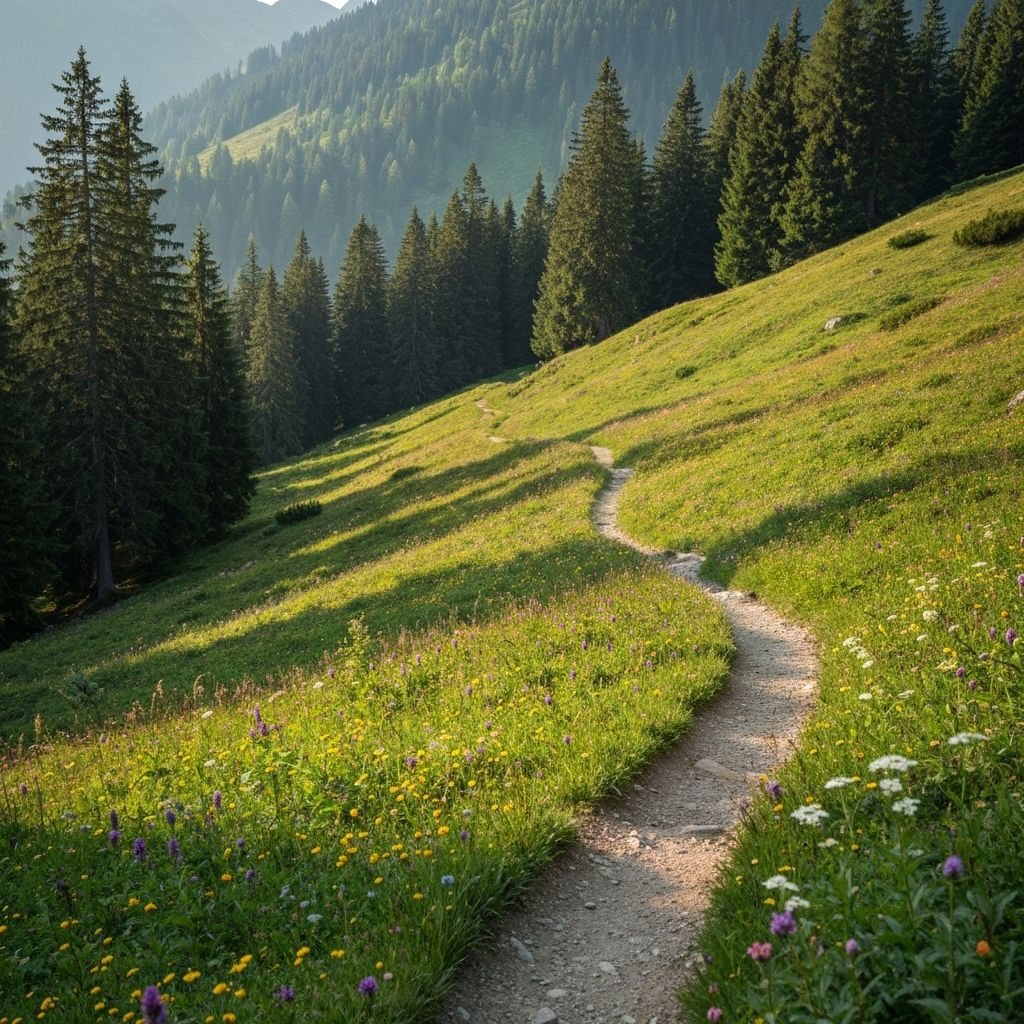
Natural Perspectives on Men's Vitality After 40

Exploring plant-based ingredients and lifestyle insights for wellbeing

What is Vitality After 40?

Age 40 marks a natural phase in men's life when the body undergoes gradual physiological changes. These transitions affect daily energy levels, sleep patterns, recovery capacity, and overall sense of wellbeing. Rather than viewing these changes as decline, modern science and traditional wisdom both suggest that understanding and supporting the body's needs through proper nutrition, movement, and recovery can help maintain optimal function and quality of life.

Vitality after 40 is not about reversing age—it's about optimizing daily performance through informed lifestyle choices and awareness of how natural compounds support general health.

Role of Key Micronutrients
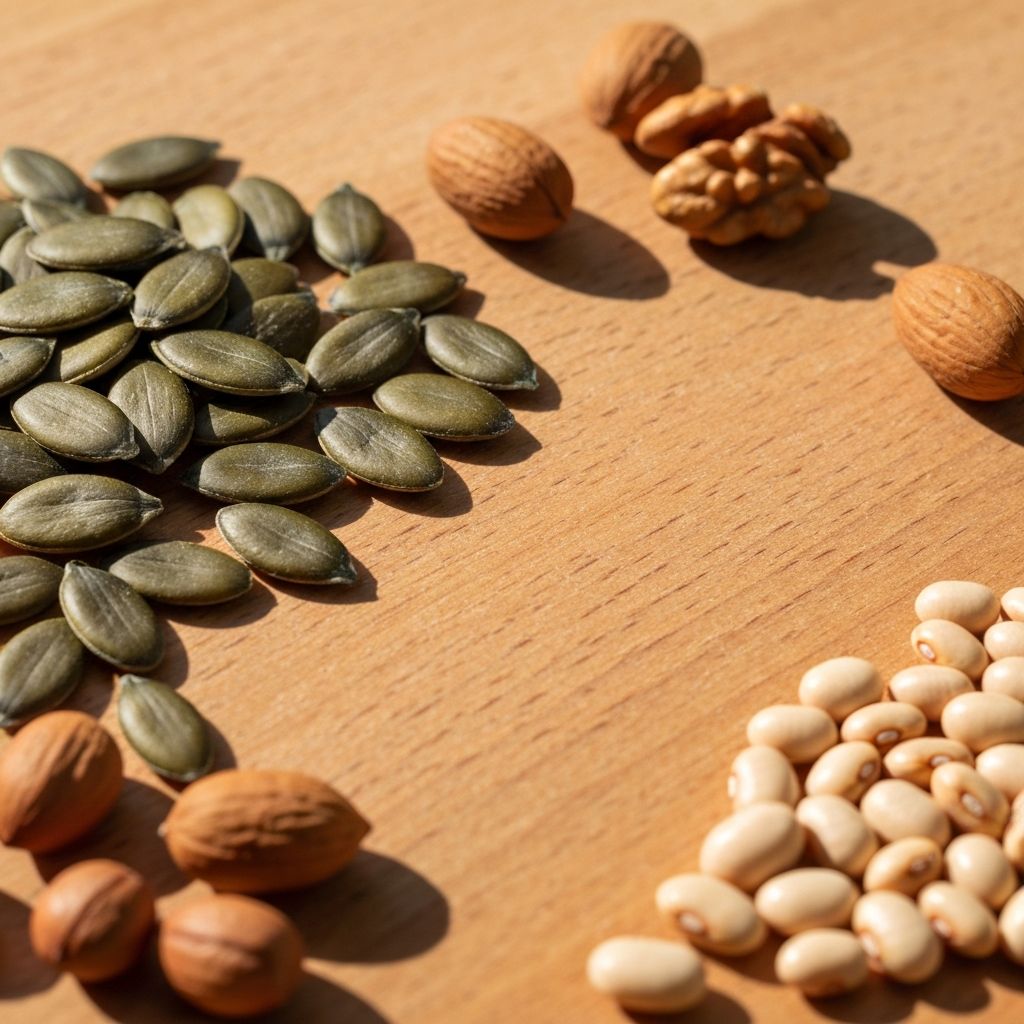
Zinc-rich foods

Zinc

Zinc is a mineral found in nuts, seeds, legumes, and whole grains. It plays a role in protein synthesis and is involved in numerous enzymatic reactions throughout the body. Adequate zinc intake is part of a balanced daily diet.
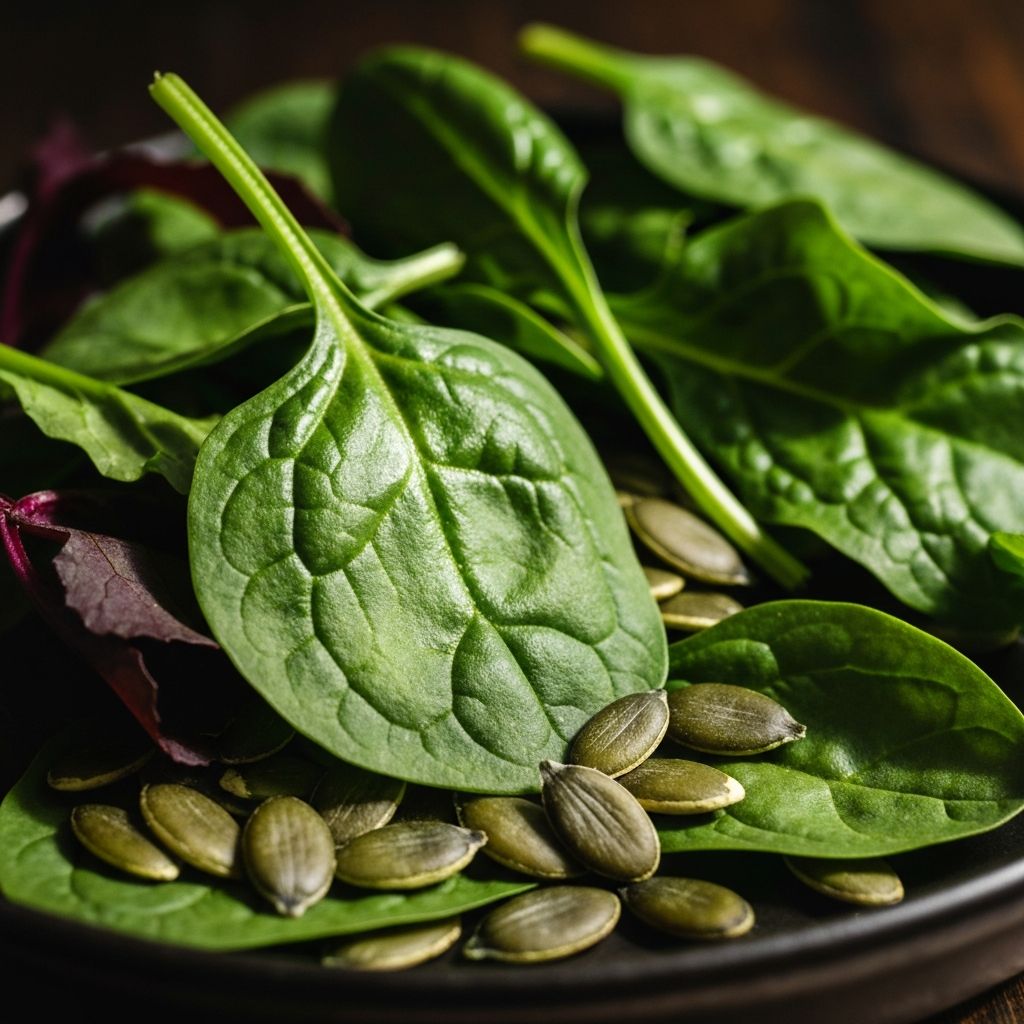
Magnesium-rich foods

Magnesium

Magnesium is found in leafy greens, seeds, nuts, and whole grains. It contributes to muscle function, energy production, and nervous system regulation. Magnesium is essential for general health and daily nutritional balance.
Vitamin D sources

Vitamin D

Vitamin D, produced by skin exposure to sunlight and found in some foods, supports bone health and immune function. It is crucial for calcium absorption and general physiological processes in the body.
Plant-Based Ingredients Overview

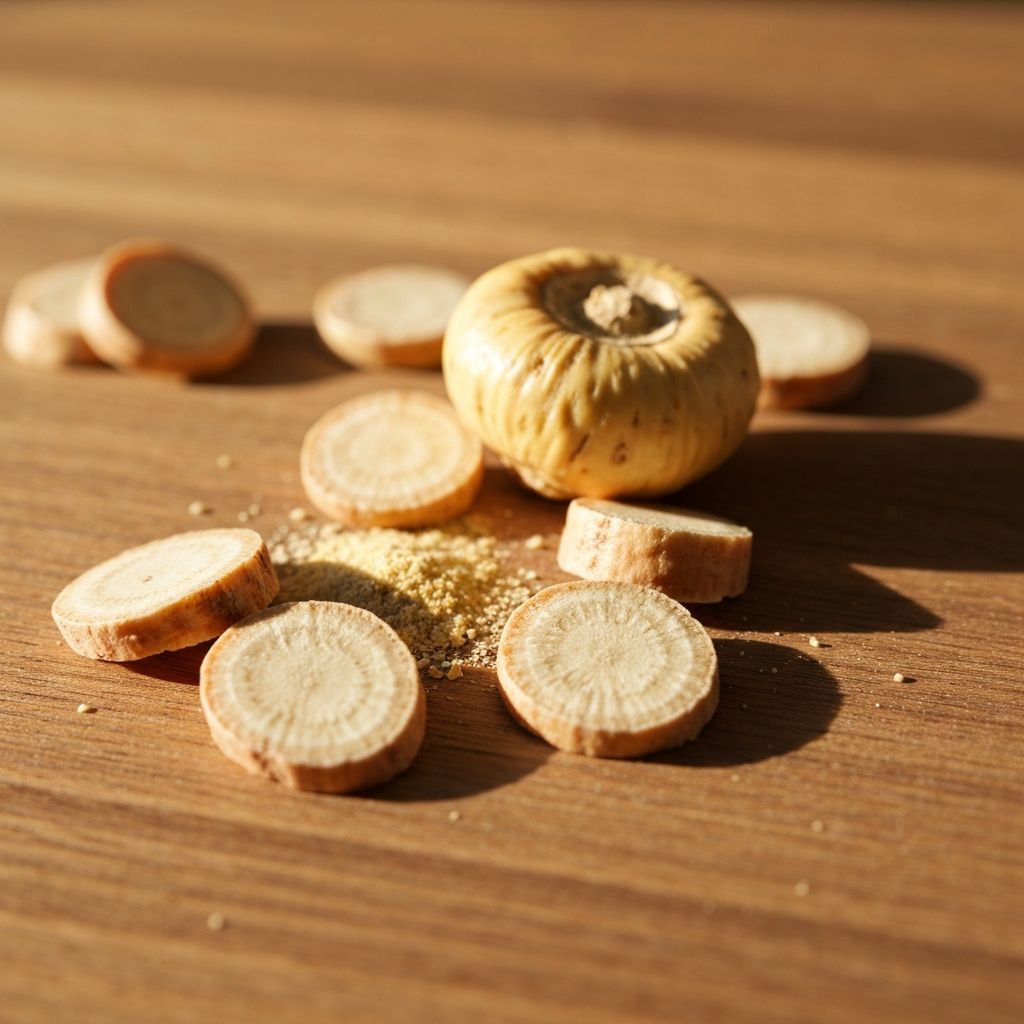
Maca root

Maca

Native to the Andes, maca root has been used for centuries in traditional Peruvian and Bolivian cultures. Historical texts document its use as a food staple and in folk preparations aimed at supporting energy and general vitality.

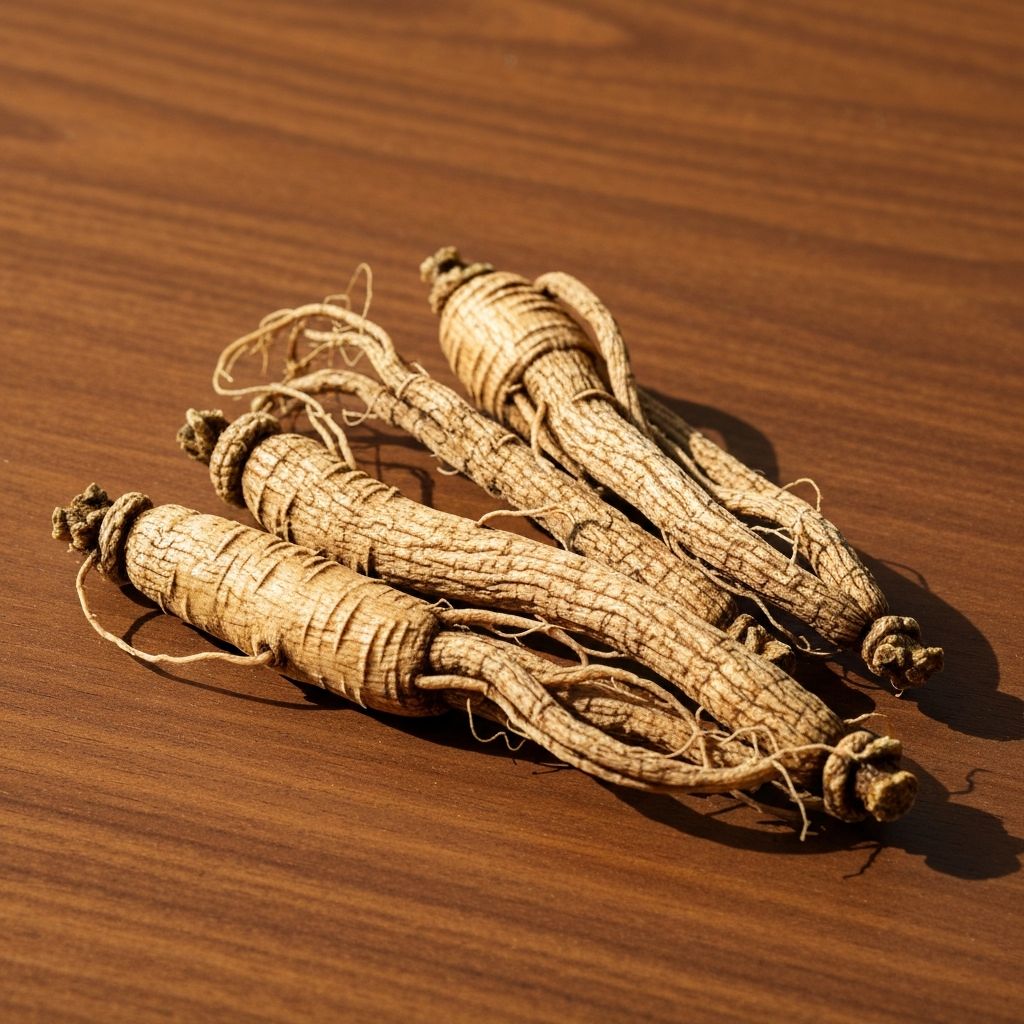
Ginseng root

Ginseng

Ginseng has been central to traditional Chinese and Korean medicine for over 2000 years. It was traditionally used in preparations meant to support energy and general wellbeing, and remains a popular botanical in global herbal traditions.

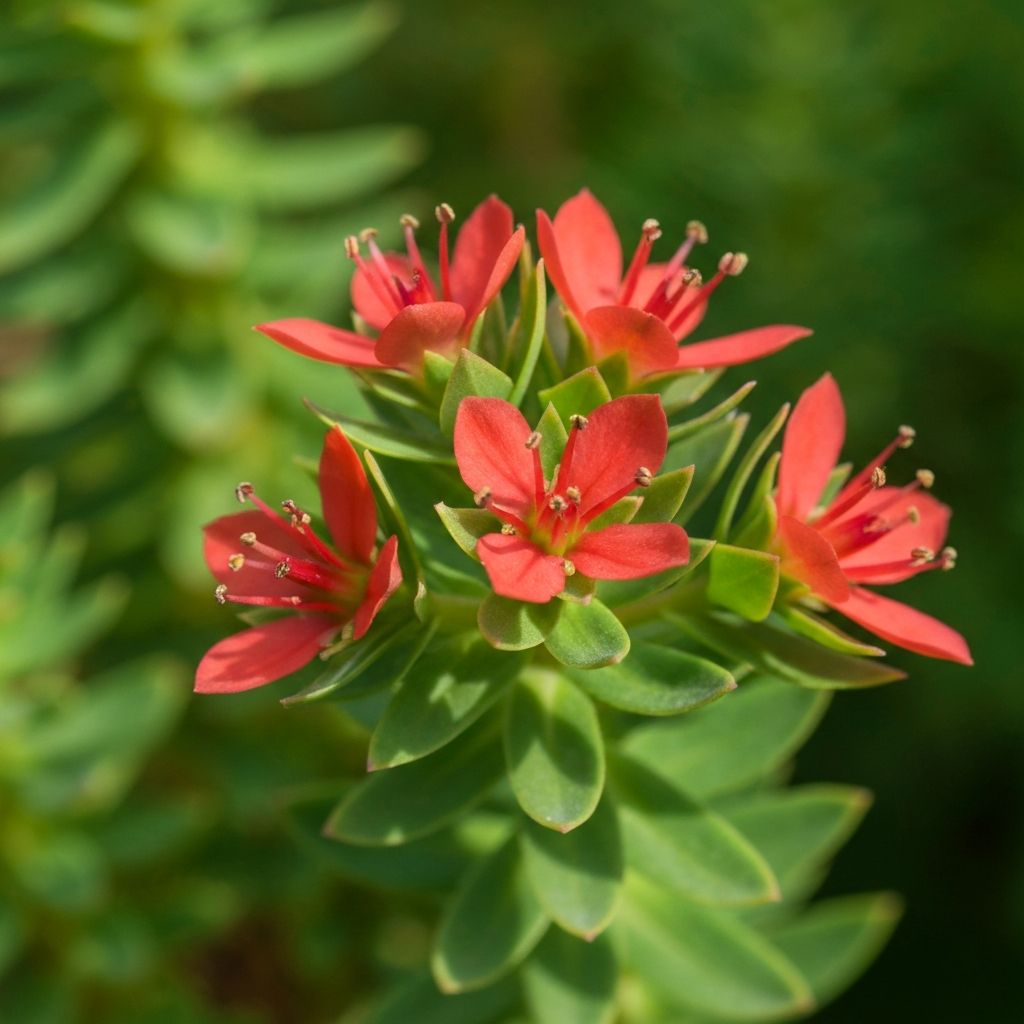
Rhodiola plant

Rhodiola

Found in alpine and arctic regions, rhodiola has long been used in traditional Russian and Scandinavian herbalism. Historical use suggests its role in supporting resilience and general energy during demanding periods.

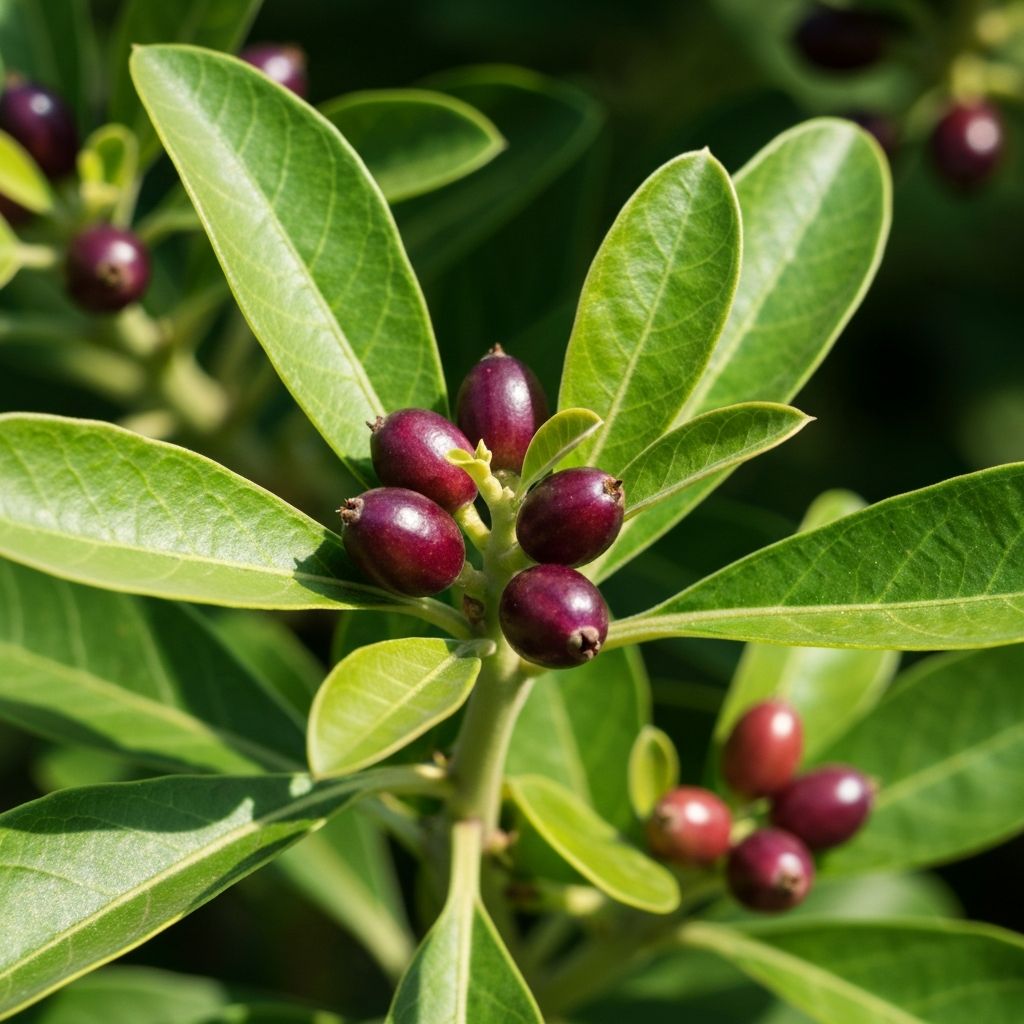
Ashwagandha plant

Ashwagandha

Central to Ayurvedic medicine for thousands of years, ashwagandha (Withania somnifera) has been traditionally valued in Indian herbalism. Its use spans centuries as a botanical for supporting calm and general wellbeing.

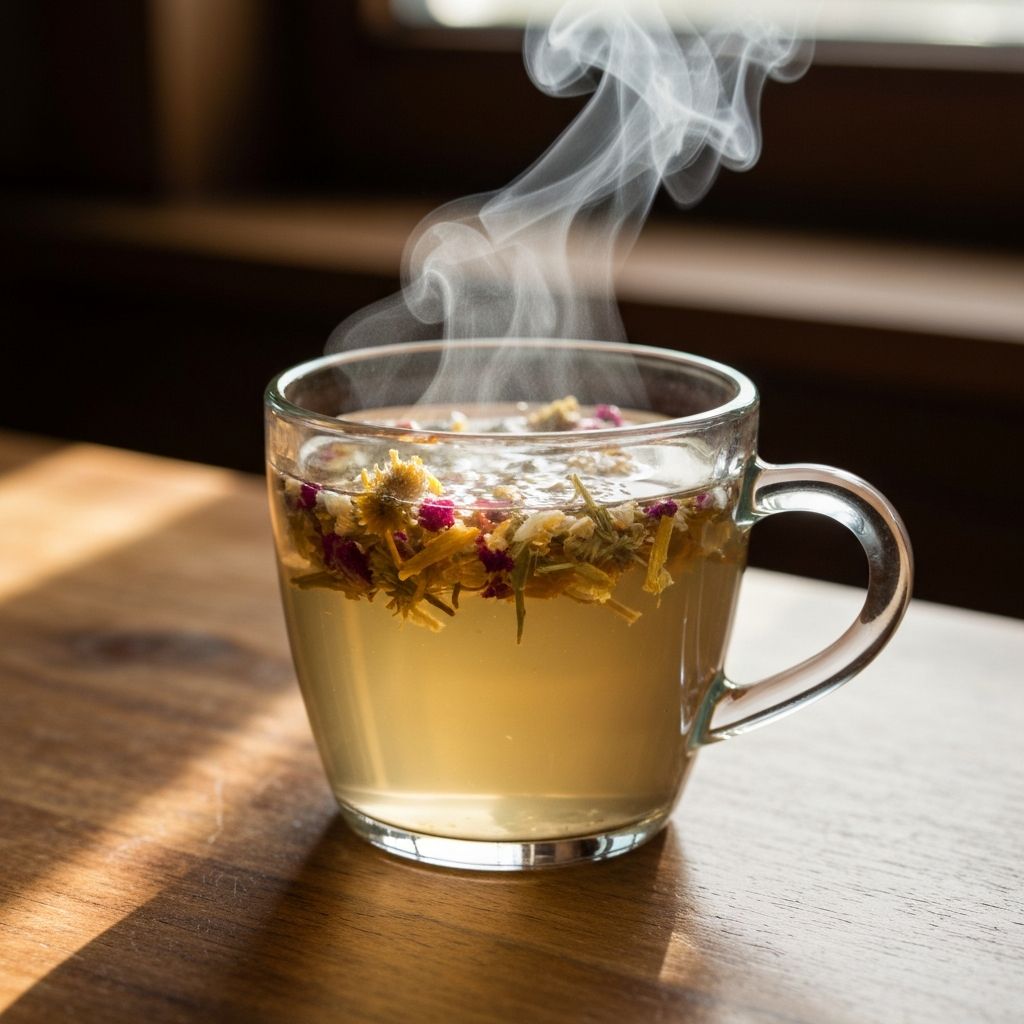
Herbal tea

Tribulus Terrestris

Known as puncture vine, tribulus grows in warm regions and has been used in Ayurvedic and traditional Chinese medicine. Historical applications focused on supporting general vitality and energy in daily life.

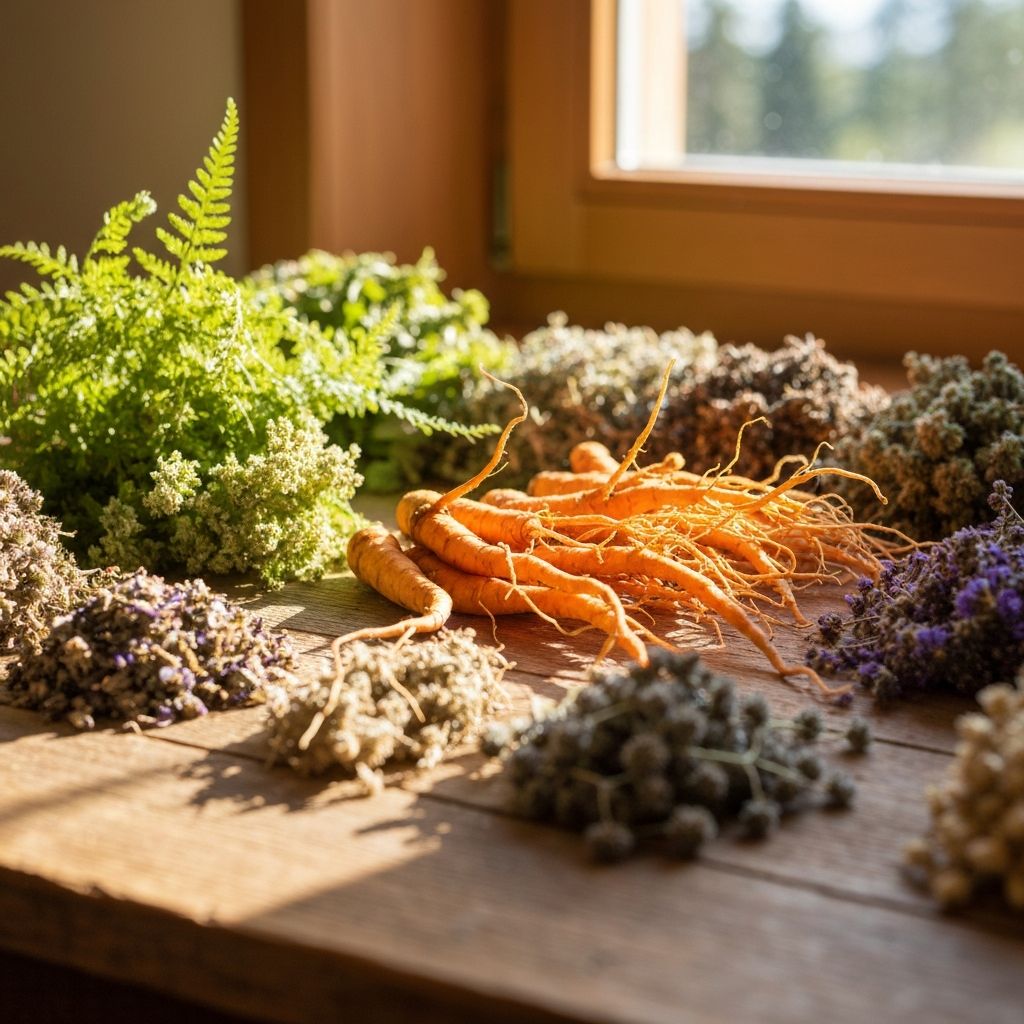
Alpine herbs

Panax Ginseng

Asian ginseng varieties have been integral to traditional East Asian wellness practices. Used for centuries as a botanical ingredient, it has been valued for its general supporting role in energy and endurance.

Sleep and Recovery Context

Sleep is one of the most fundamental pillars of health. During sleep, the body undergoes critical restoration processes: muscle repair, hormonal regulation, immune function, and cognitive consolidation all occur during rest cycles.

Men over 40 often experience changes in sleep patterns and recovery needs. Understanding the basic science of sleep cycles—light sleep, deep sleep, and REM sleep—helps explain why consistent, quality sleep becomes increasingly important for maintaining energy, mental clarity, and physical resilience.

Natural approaches to sleep support include maintaining consistent sleep schedules, creating conducive sleep environments, and potentially incorporating herbal infusions known for their traditional calming properties.

Peaceful forest at night

Movement and Nature Connection

Physical activity is essential for maintaining health across all ages. Walking in natural environments—forests, mountains, parks—offers benefits beyond simple exercise: it reduces mental stress, improves cardiovascular function, strengthens muscles and bones, and enhances mood through exposure to natural light and fresh air.

For men after 40, consistent movement adapted to individual capacity helps maintain strength, flexibility, balance, and metabolic function. The combination of regular walking and time in natural settings is particularly powerful for overall wellbeing.

Alpine regions, with their natural trails and varied terrain, provide ideal environments for this kind of activity. Regular movement in nature has been documented in traditional wellness practices across cultures.

Alpine hiking trail

Traditional Alpine Herbal Knowledge

The Alpine region of Austria and surrounding areas has a rich tradition of herbal medicine spanning centuries. Local knowledge about plants growing in mountain environments has been passed down through generations, documenting traditional uses of wild herbs, roots, and flowers.

Austrian folk herbalism recognized the nutritional and supportive value of plants like gentian, arnica, chamomile, and various alpine species. While this traditional knowledge is historical rather than medical, it demonstrates how different cultures have valued plant-based approaches to supporting health.

Contemporary scientific interest in these traditional plants has led to research examining their botanical composition and potential applications, though it's important to note that traditional use does not constitute medical proof of efficacy.

Nutrition Patterns Comparison

Characteristic Plant-Rich Diet Processed Food Diet
Micronutrient Density High in vitamins, minerals, phytonutrients Often depleted, fortified artificially
Fiber Content Naturally high from whole foods Often removed or reduced
Antioxidant Profile Rich in naturally occurring antioxidants Limited antioxidant compounds
Digestive Support Supports healthy digestion and microbiome May disrupt digestive health
Energy Stability Provides sustained energy release Often causes energy spikes and crashes
Preparation Time Requires more planning and cooking Convenient and quick

Note: This comparison is informational only and reflects general nutritional principles, not individual recommendations.

Frequently Mentioned Adaptogens

Adaptogens are a category of plants that have been traditionally used to help the body adapt to stress. Here are four frequently discussed botanical adaptogens:

Ashwagandha (Withania somnifera)

Used in Ayurvedic medicine for millennia, ashwagandha is believed to help support calm and resilience. Modern research has examined its composition and potential mechanisms, though findings remain primarily in observational and laboratory stages.

Rhodiola (Rhodiola rosea)

Traditional in Russian and Scandinavian herbalism, rhodiola has been valued for supporting energy during stressful periods. Scientific interest continues, though clinical evidence in human subjects remains limited.

Maca (Lepidium meyenii)

Used by Andean cultures for centuries, maca root is composed of amino acids, vitamins, and minerals. Researchers continue to explore its nutritional profile and traditional applications in contemporary nutritional science.

Asian Ginseng (Panax ginseng)

Central to traditional Chinese medicine, ginseng contains complex compounds including ginsenosides. Scientific investigation into these compounds continues, with studies examining various health-related aspects.

Oxidative Stress: Basic Explanation

Oxidative stress occurs when the body experiences an imbalance between harmful free radicals and protective antioxidants. Free radicals are reactive molecules created during normal metabolism, exercise, and exposure to environmental factors like pollution and UV radiation.

While some free radical production is normal and even necessary for immune function, excessive oxidative stress can contribute to cellular damage and accelerate aging processes. Antioxidants—compounds that neutralize free radicals—are provided naturally through plant-based foods rich in vitamins C and E, polyphenols, and carotenoids.

A diet rich in colorful fruits, vegetables, nuts, seeds, and herbs naturally provides a broad spectrum of antioxidants that help the body maintain this balance. This is one reason why plant-rich diets are emphasized in nutritional science.

Hydration and Herbal Infusions

Proper hydration is foundational to health. Beyond plain water, cultures throughout history have valued herbal infusions and teas made from plant materials. These beverages provide both hydration and exposure to the beneficial compounds present in the plants.

Common herbal infusions include chamomile (traditionally for calm), peppermint (for digestion), ginger (for warmth and circulation), and various alpine herbs valued in European folk traditions. These drinks offer flavor, cultural connection, and the micronutrients and active compounds of the plants themselves.

Incorporating herbal teas into daily routines supports hydration while providing traditional botanical support for wellbeing. This practice aligns with both ancient wellness traditions and modern understanding of nutrition.

Herbal tea with dried herbs

Seasonal Rhythm Influence

Human biology is deeply connected to seasonal rhythms established over evolutionary time. Seasonal changes affect hormone production (particularly melatonin and vitamin D synthesis), energy levels, sleep patterns, and metabolic processes.

Winter typically brings reduced daylight, lower vitamin D production, and shifts in mood and energy. Spring and summer increase light exposure and activity, while autumn prepares the body for dormancy. Understanding these natural cycles can inform lifestyle choices: increased light exposure in winter, more outdoor activity in warmer seasons, and seasonal dietary adjustments.

Many traditional cultures structured their herbalism around seasons, using different plants during different times of year. This seasonal awareness remains relevant to contemporary approaches to wellness and self-care.

Common Myths vs. Facts

  • Myth: Natural ingredients can replace medical treatment. Fact: Natural plant compounds support overall health but do not substitute for professional medical care.
  • Myth: Age 40 marks inevitable decline. Fact: Life transitions happen at 40, but informed lifestyle choices significantly impact vitality and function.
  • Myth: All traditional remedies are scientifically proven. Fact: Traditional use indicates long cultural history, not necessarily clinical evidence.
  • Myth: Plant-based means healthy. Fact: Whole food plant sources differ significantly from isolated extracts or supplements.
  • Myth: One supplement fixes everything. Fact: Health results from combined factors: sleep, movement, nutrition, stress management, and genetics.
  • Myth: More is always better. Fact: Balanced, moderate intake of nutrients is more supportive than excessive supplementation.
  • Myth: Results happen quickly. Fact: Sustainable health improvements develop over weeks and months of consistent lifestyle practices.

Educational Content Only. No Promises of Outcomes.

This resource provides informational content about natural plant-based ingredients, lifestyle factors, and traditional wellness approaches. It does not offer medical advice, individual recommendations, or guarantees of specific outcomes.

Important Disclaimer: The information on this site is for educational purposes only. We do not provide medical diagnoses, treatment recommendations, or health guarantees. Individual health outcomes depend on numerous factors including genetics, overall lifestyle, existing health conditions, and personal circumstances. Always consult qualified healthcare professionals before making significant changes to your health regimen or diet.

Explore More

This educational resource continues with dedicated sections exploring men's wellbeing, frequently asked questions, and detailed information about our project.

Learn About Men's Wellbeing Read FAQ